
Materials List
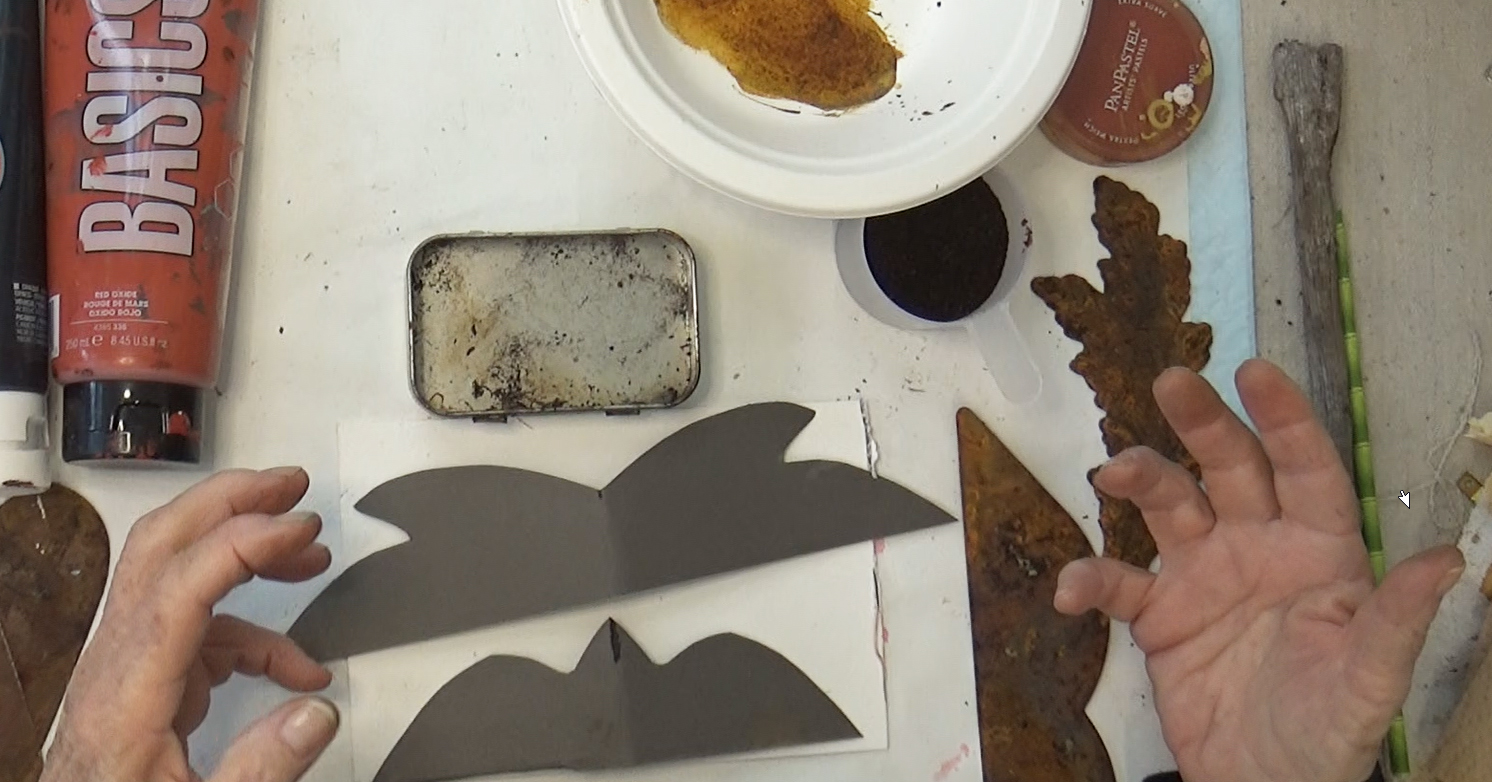
Materials List
You do not need everything on this list. Begin with what you already have and choose materials that feel meaningful to you.
Foundation and structure
- Deep stretched canvas or another sturdy base
- Small wooden, cardboard, or papier-mâché box to serve as the reliquary compartment
- Acrylic paints in a limited palette
- Acrylic matte medium or gel medium
- Texture materials such as cheesecloth, muslin, modeling paste, sand, or fiber
Images and papers
- Personal or vintage photographs - copies
- Handwritten notes, letters, maps, book pages, or other meaningful papers
- Decorative, handmade, or found papers
- Magazine images or copyright-free printed images
- Scraps from earlier artwork or unfinished pieces
- Scissors and/or craft knife
- Cutting mat
- Ruler and pencil
Objects and embellishments
- Found objects and small personal keepsakes
- Beads, buttons, charms, keys, shells, stones, feathers, or small bones
- Fabric, ribbon, thread, lace, and cord
- Small handmade clay pieces
- Wire, nails, tacks, or eye screws
- Optional metal leaf, mica, wax, metallic paint, or aging medium
Adhesives and tools
- Hot-glue gun and glue sticks
- E6000 or another strong adhesive for heavier objects
- Acrylic gel medium for attaching paper and lightweight materials
- Paintbrushes in several sizes
- Palette knife or old plastic card
- Water container and palette
- Paper towels or studio rags
- Awl, small hand drill, or hammer, if needed for attachments
- Clips, clamps, or painter’s tape to hold pieces while the adhesive cures
For safety and cleanup
- Table covering
- Apron
- Disposable gloves
- Eye protection when drilling, cutting, or hammering
- Good ventilation when using E6000 or other solvent-based adhesives
- Heat-resistant surface for the hot-glue gun
Most important: bring a small collection of images, fragments, and objects that call to you—even if you do not yet understand why. Your reliquary can reveal its meaning as you work.